Core China-Europe Railway Operator · One-stop Supply Chain Solutions
Six logistics segments centered on China-Europe rail
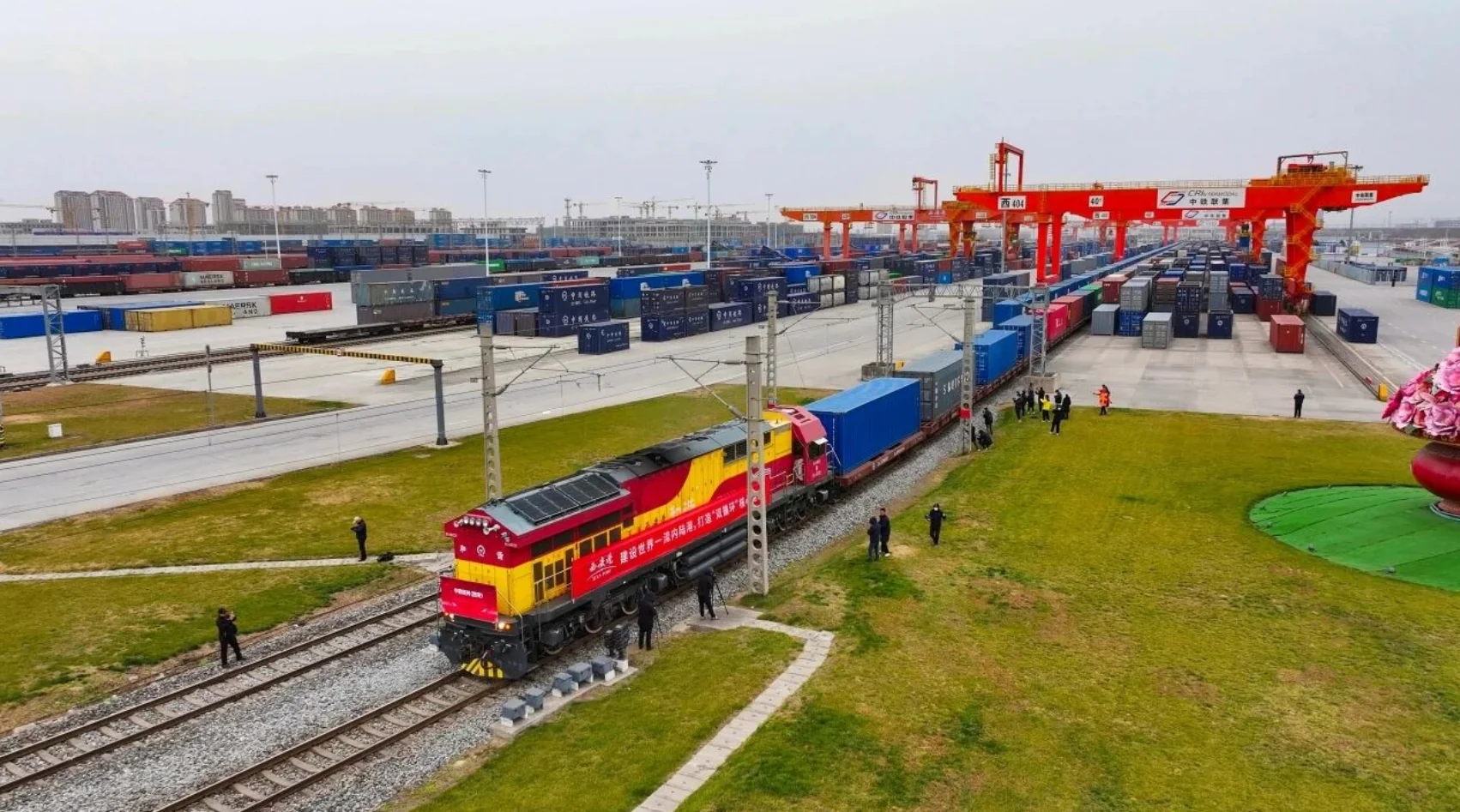
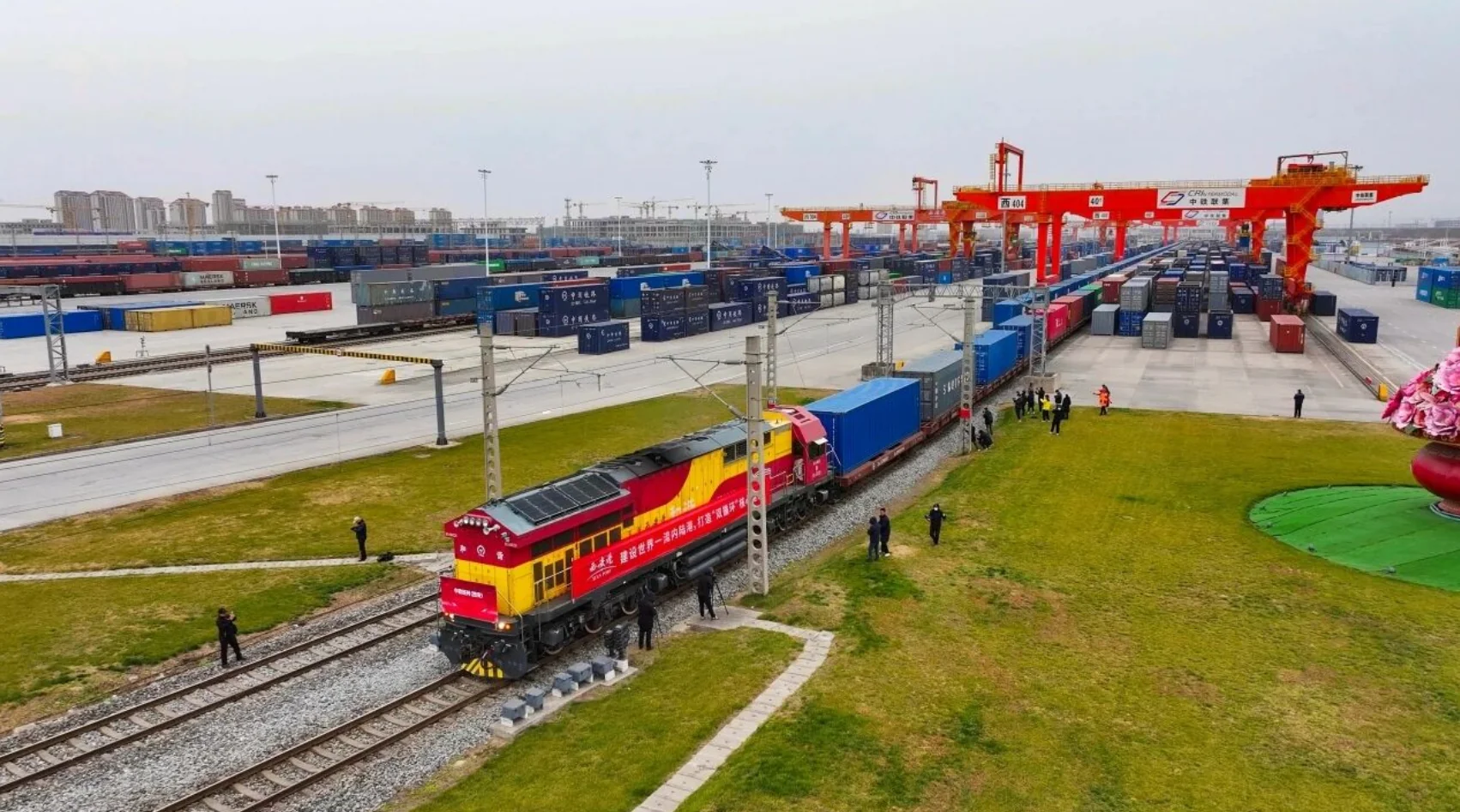
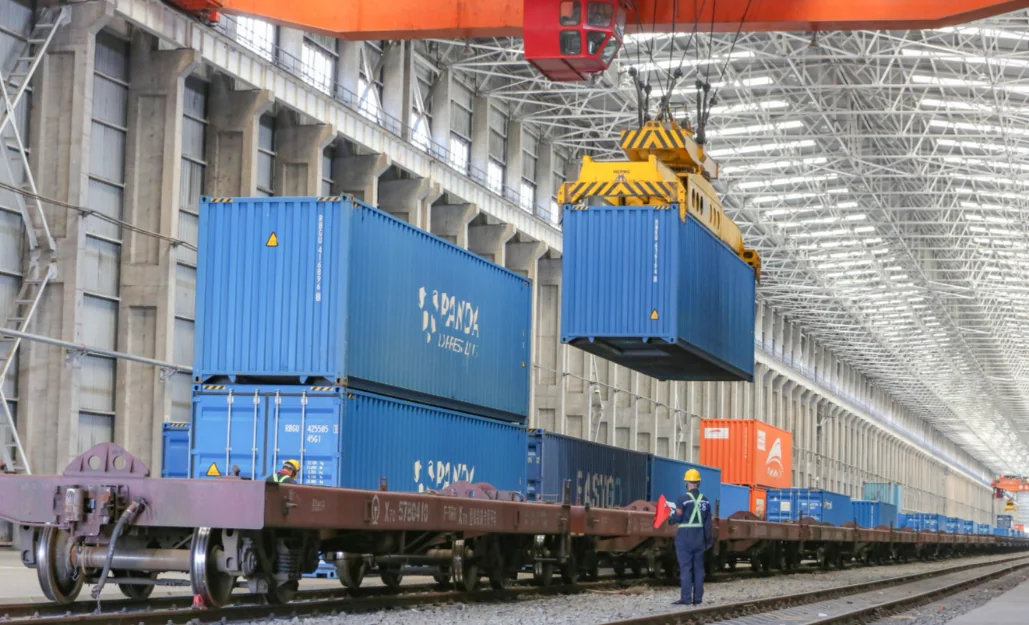
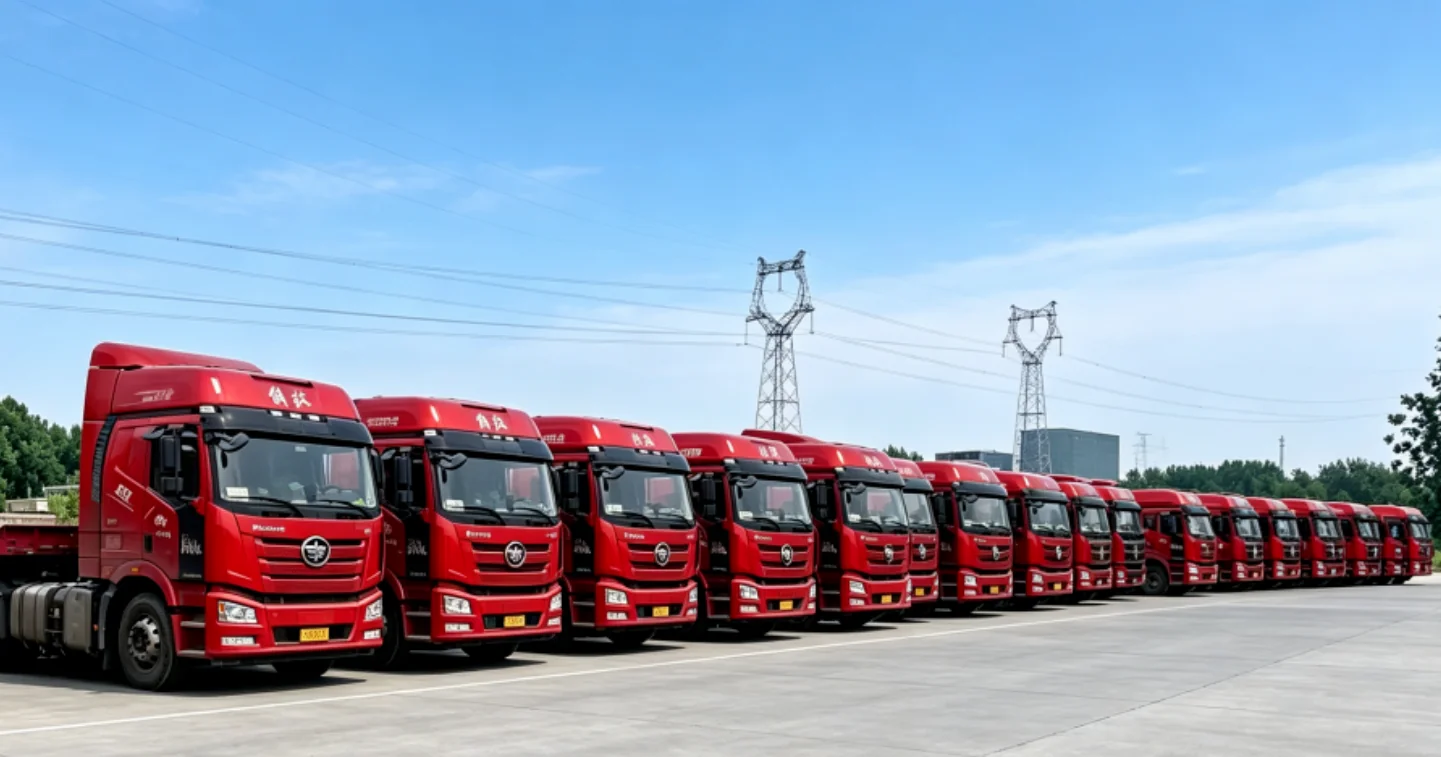
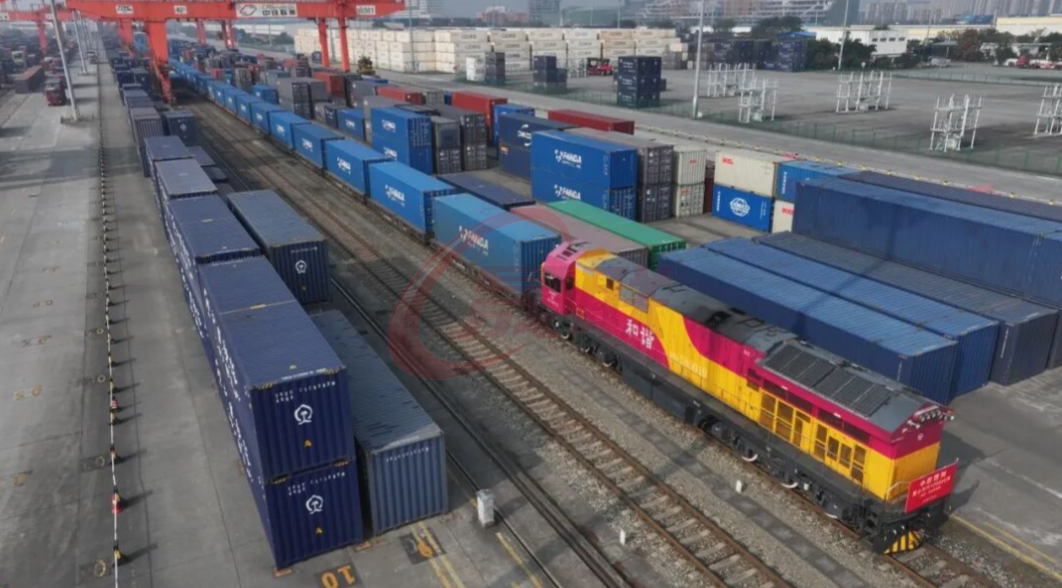
Strategic partner of the Chang'an China-Europe Railway Express, covering Central Asia, Russia, and Europe, with stable space allocation and controllable transit times.
Explore service
Service information and inquiry guidance
Explore service
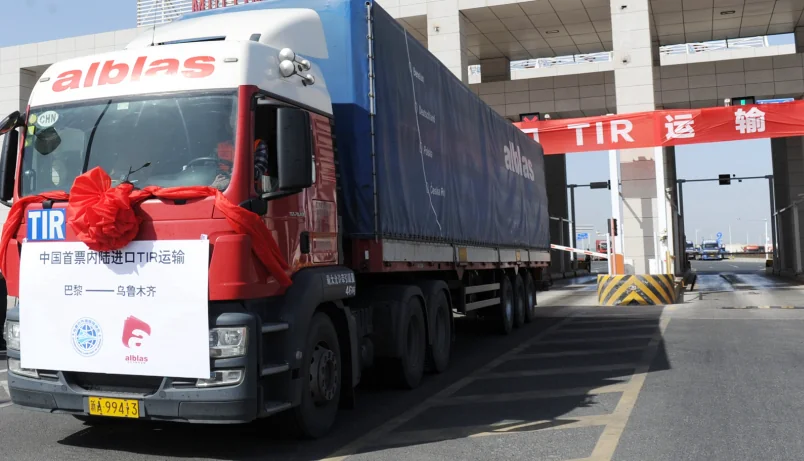
Flexible rail-road switching, direct cross-border trucking, and door-to-door closed-loop services.
Explore service
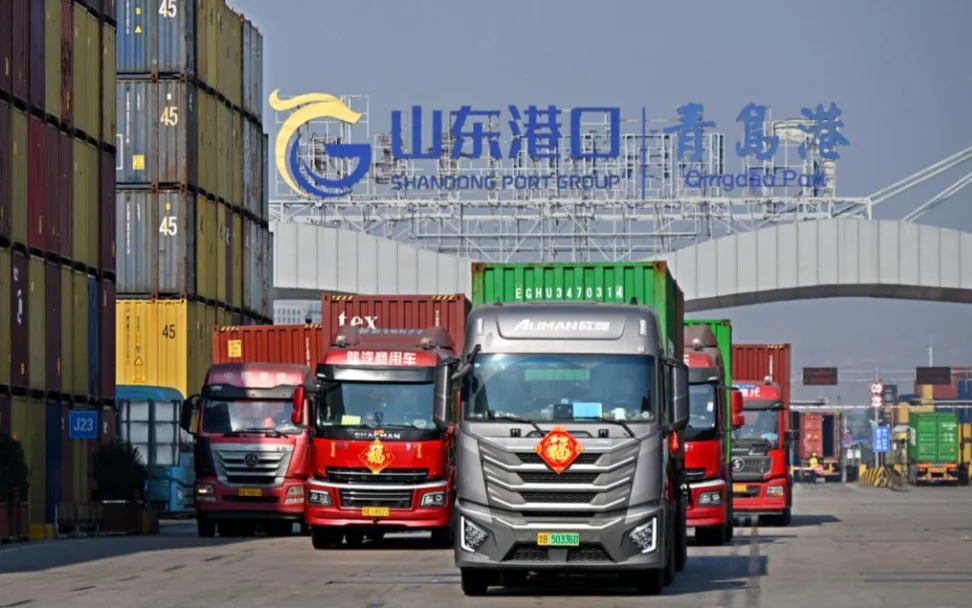
Direct operations at the twin ports of Alashankou / Khorgos, with integrated customs clearance and transshipment.
Explore service
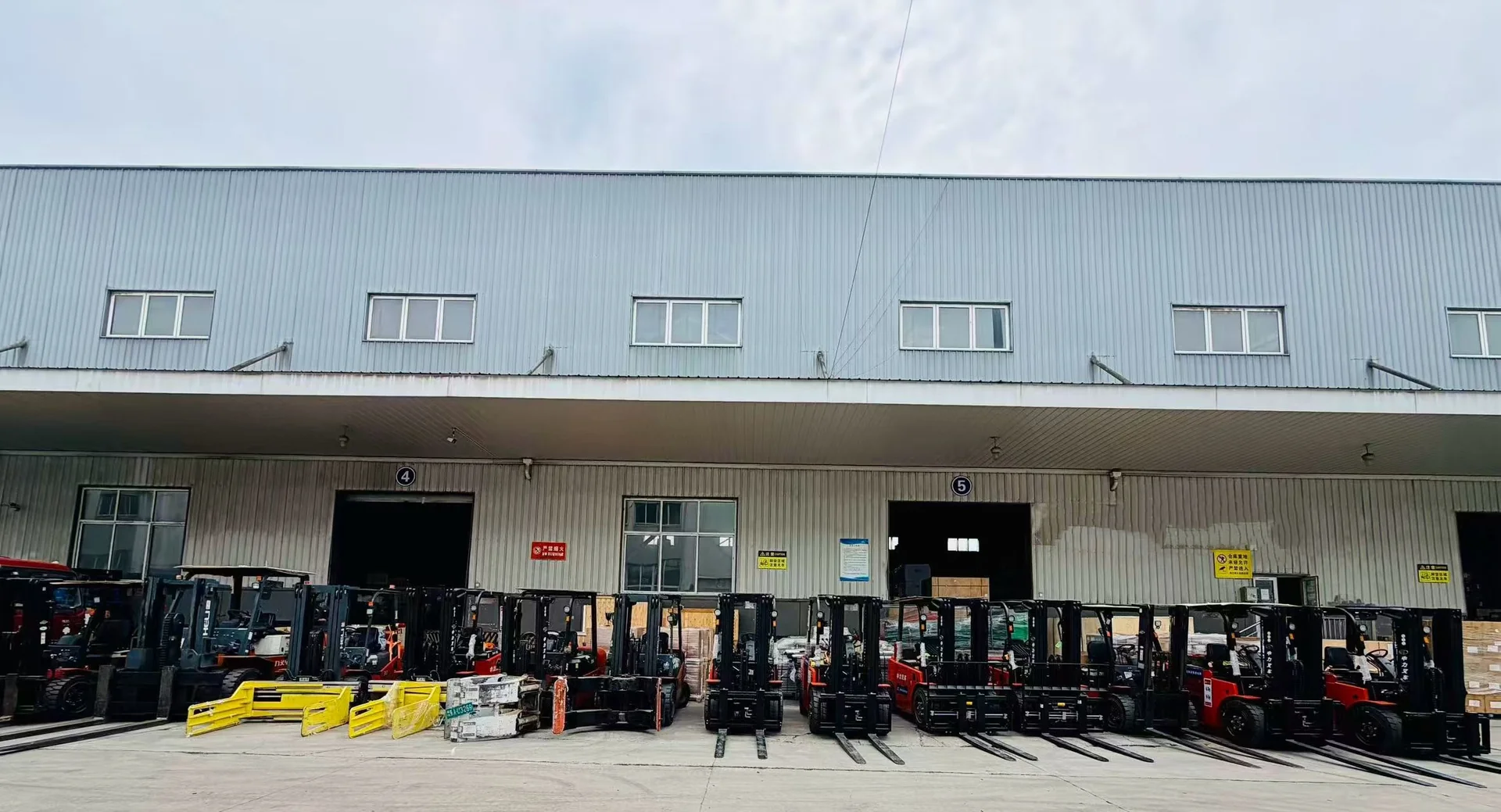
Bonded warehouse + general warehouse, intelligent management + value-added operations
Explore service
Nationwide collection and distribution network: yard + trailer + full-process operational support.
Explore serviceSubsidiaries in 8 cities and 5 major ports, building a multidimensional framework of “headquarters + hubs + ports + global network.”
Westbound Alashankou/Khorgos wholly-owned entity, with port dwell time reduced by 30%
AI customs declaration + full-chain tracking, error rate <0.2%
Logistics + customs + warehousing, fully managed end-to-end
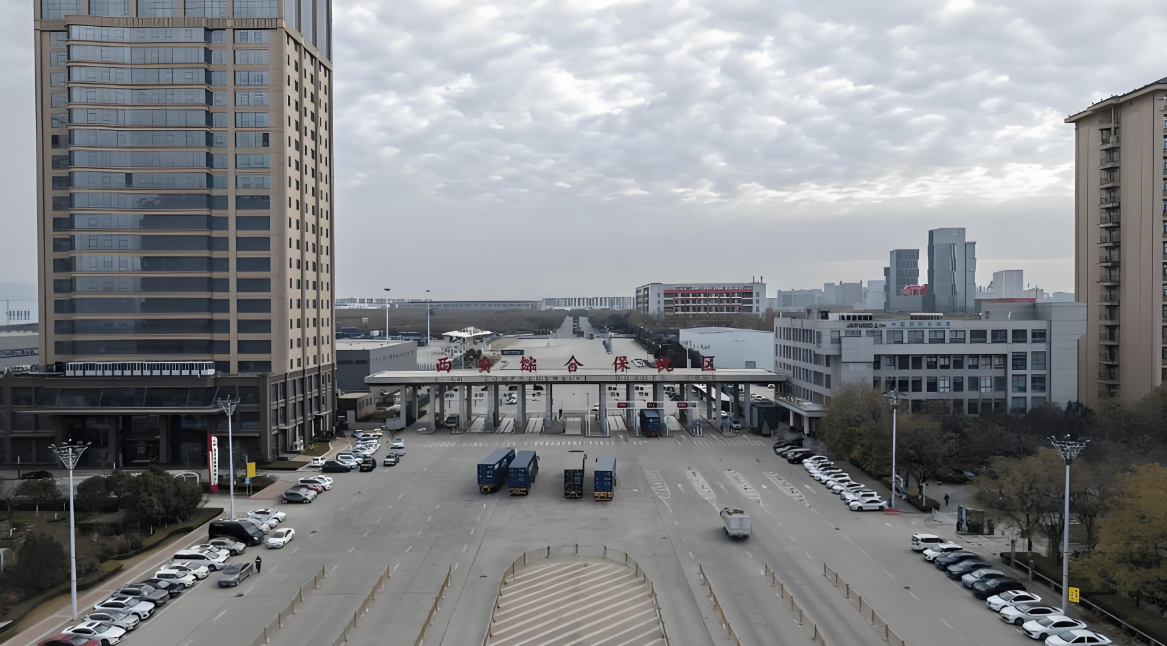
Centered on Xi'an International Port Area, the network connects subsidiaries, major cities and westbound ports across China.
Connecting our headquarters, domestic nodes, ports and overseas offices.
Connections illustrate service relationships, not transport tracks. Locations are city-level.
The Shenglian Comprehensive Foreign Trade Service Platform provides one-stop foreign trade services for manufacturing enterprises, foreign trade companies, and cross-border e-commerce sellers. The company holds Customs AEO Advanced Certification, is a National AAAA-level Logistics Enterprise, and is qualified as a strategic partner of the China-Europe Railway Express Chang'an. It has direct operation teams in Xi'an, Alashankou, and Khorgos. According to internal company statistics, in 2025 the platform served 24 foreign trade enterprises, driving import and export trade volume of RMB 347.825 million, covering equipment manufacturing, new energy, agricultural products, cross-border e-commerce, and other fields. The platform has developed four mature segments: access and compliance services provide domestic qualification filing and agency services for overseas EAC and GOST certification; logistics, warehousing, and customs clearance services integrate sea, air, rail, and TIR road multimodal transport, with customs declaration and clearance and warehousing and distribution support, enabling visualized door-to-door delivery; overseas implementation services provide overseas registration, VAT filing, product certification, compliance and legal support, and marketing and exhibition support; foreign trade empowerment services provide practical training, system diagnostics, contract review, data analysis, and exchange rate risk control consulting, helping enterprises expand into Central Asian, Russian, and European markets in a compliant and efficient manner.
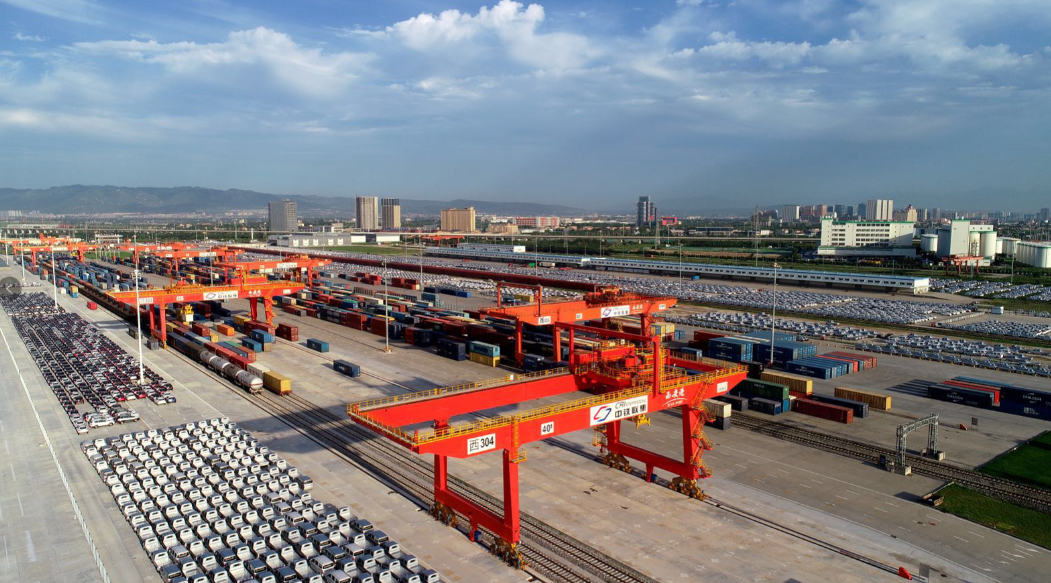
In the first three quarters, Shaanxi's imports and exports reached RMB 797.84 billion, up 111.1%, ranking first in the country; Xi'an's imports and exports reached RMB 764.41 billion, up 115.5%, with its growth rate leading among sub-provincial cities. The China-Europe Railway Express (Chang'an) has operated more than 5,000 trains cumulatively, ranking first nationwide for eight consecutive years in the number of train services, freight volume, and loaded-container rate. Relying on the Chang'an Railway Express Assembly Center, Shenglian Jiyun coordinates China-Europe Railway Express services, Central Asia road transport, China-Korea maritime shipping, and customs declaration, warehousing, and supply chain services. From January to October 2026, it facilitated more than RMB 1.3 billion in import and export trade, using efficient multimodal transport to help Chinese-manufactured goods reach Asia and Europe and to support the high-quality development of Xi'an as an inland opening-up highland.
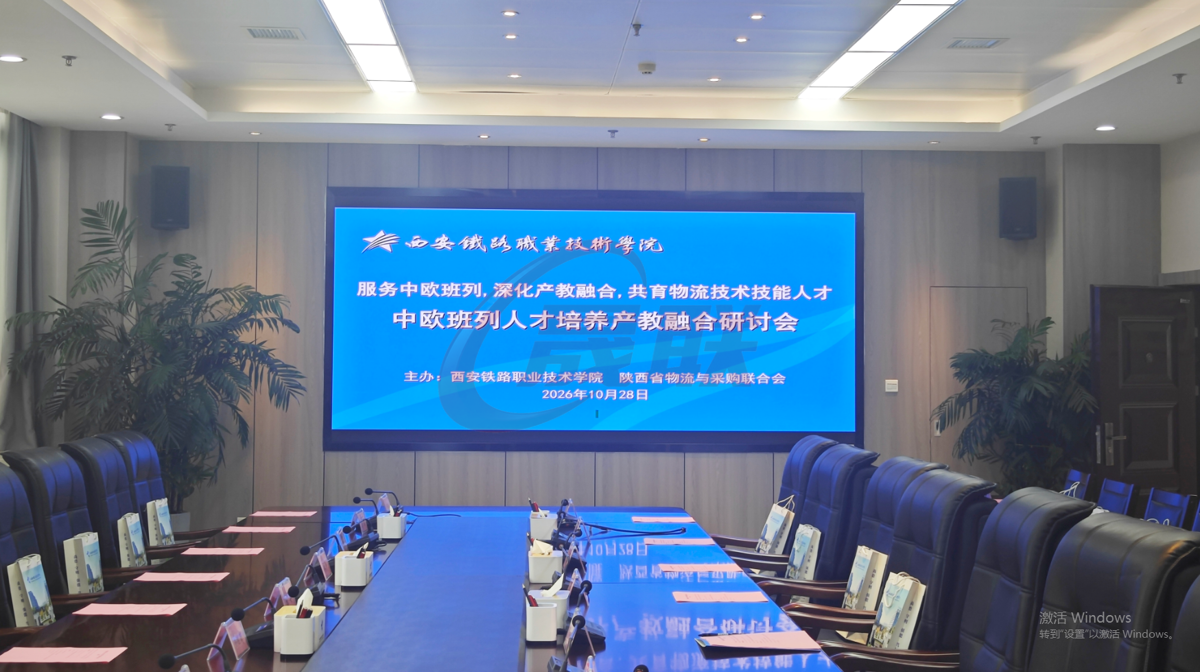
On October 28, the Seminar on Industry-Education Integration for China-Europe Railway Express Talent Cultivation was held at the Gangwu Campus of Xi'an Railway Vocational and Technical College. Co-hosted by the Shaanxi Logistics and Purchasing Federation and Xi'an Railway Vocational and Technical College, the seminar brought together expert representatives from logistics and supply chain enterprises, industry associations, and multiple colleges and universities across the province to exchange views on talent development for the China-Europe Railway Express industry. Participants focused on four major topics: reviewing China-Europe Railway Express business scenarios, operational scale, and expansion directions; analyzing job competency standards, industry recruitment gaps, and talent supply shortages, while exploring training models such as order-based classes and the modern apprenticeship system; discussing systematic equipment, supporting venues, and school-enterprise division of labor for the operation of training bases; and exchanging views on pathways for building industry colleges, with consultations on joint curriculum development, research projects, and commercialization of outcomes. Shenglian Jiyun, a company deeply engaged in cross-border supply chains, was invited to attend. Drawing on frontline practice, it reported real recruitment demands for positions and shared an enterprise perspective on talent capability gaps, the implementation of practical teaching, and two-way school-enterprise cooperation.
Focusing on the profound shift in the underlying logic of export tax rebate policy against the current background of a tight fiscal revenue-expenditure balance: in the traditional framework, export tax rebates were a trade “shock absorber” for stabilizing external demand; today they have become a repricing lever for coordinating fiscal space and industrial upgrading, and the policy objective function has shifted from the single goal of stabilizing foreign trade to the dual goals of fiscal balance and industrial upgrading. The article reviews the four-stage evolution of export tax rebate policy since 2000 and points out that after the central government assumed the full burden in 2015, it has become a purely central macro-control instrument with rapid transmission; since 2024, phased reductions for categories such as photovoltaics and batteries have marked a shift in function from broad-based “stabilizing foreign trade” to structural “using rebates to promote adjustment.” Drawing on historical cases in textiles and apparel, steel, and other sectors, the article argues that rebate cuts do not necessarily lead to an immediate decline in export share; supply chain resilience and customer stickiness are the determining variables of short-term competitiveness. This round of policy targets industries with “low rebate dependence and high involution,” aiming to break low-price competition and push profits back toward technology and brand segments. Estimates show that the rebate adjustment for the “new three” exports is expected to boost fiscal revenue by about RMB 105.2 billion in 2027, accounting for about 4.9% of the total scale of export tax rebates; its medium- and long-term value lies in gaining an external buffer and accelerating internal clearing, with leading firms relatively benefiting and tail-end capacity under pressure. The article concludes by flagging risks such as geopolitical rivalry, a downturn in external demand, the pains of capacity clearing, and deviations in estimation assumptions.
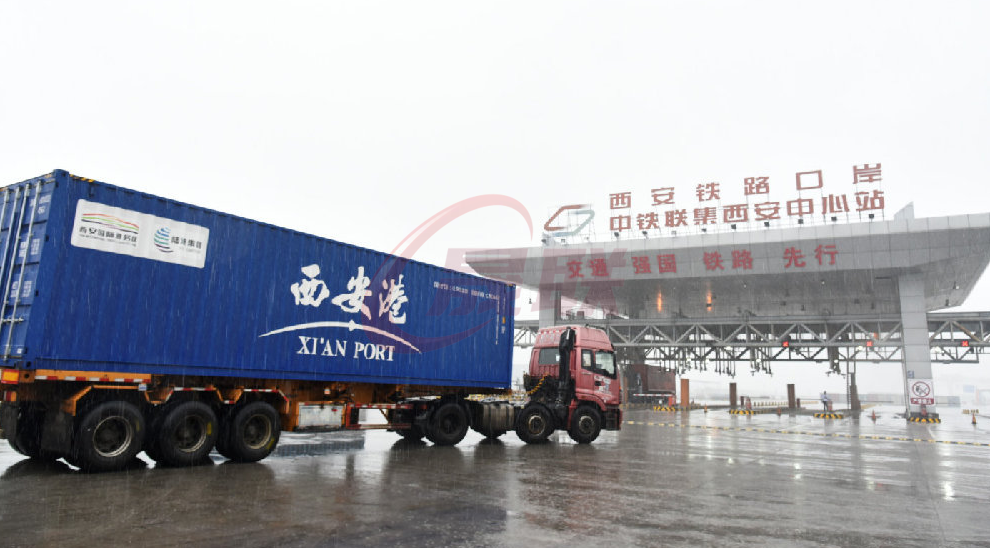
As a flagship project of Belt and Road cooperation, the China-Europe Railway Express has opened up a new pattern for international transport across Asia and Europe and become an important engine for promoting global economic connectivity. As the starting point of the ancient Silk Road and a core hub city in Belt and Road cooperation, Xi'an occupies an important position in the development landscape of the China-Europe Railway Express.
The 178 product exclusions under the U.S. Section 301 tariffs on China will officially expire.
1-on-1 consultant, free route planning & quotation